
Blog
Why Chronic Pain Doesn't Heal: What's Actually Blocking Your Body's Recovery
Living with pain that doesn't respond to rest, physical therapy, or medication isn't a sign that you're not trying hard enough. It's usually a sign that the treatment you're using isn't reaching the level where the problem actually lives.
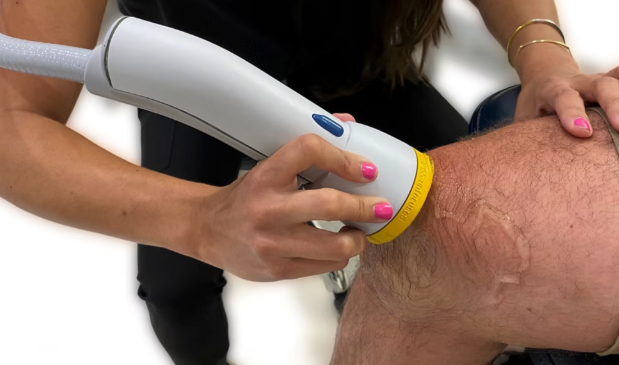
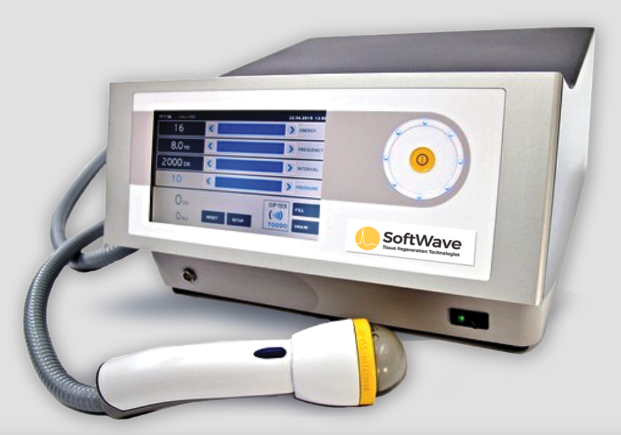
SoftWave Therapy addresses musculoskeletal pain at the cellular level, using electrohydraulic shock wave technology to trigger the body's own repair processes. Most sessions take 5 to 15 minutes, require no injections or medications, and produce measurable changes in tissue that standard treatments simply don't reach.
Key Takeaways
-
SoftWave Therapy uses shock wave energy to stimulate endogenous stem cells and increase blood flow at the injury site, not just manage symptoms
-
Sessions run 5 to 15 minutes; peak results typically occur 8 to 12 weeks after treatment
-
The technology holds 46 patents and carries FDA approval for musculoskeletal conditions
-
Biofeedback scanning identifies whether you're a good candidate before treatment begins
-
HSA and FSA funds are accepted; a Discovery Day session starts at $69
Why Does Pain Become Chronic in the First Place?
Acute pain becomes chronic when the tissue never fully heals. That sounds obvious, but the mechanism behind it isn't.
When an injury occurs, your body initiates an inflammatory response. That's correct and necessary. But if blood flow to the damaged area is restricted, if scar tissue has formed, or if the cellular signaling that recruits repair cells gets disrupted, the healing process stalls. The inflammation persists. The tissue stays compromised. And the pain signals keep firing.
Most chronic pain isn't a pain problem. It's a repair problem that was never resolved.
This is why anti-inflammatories and pain medications often provide temporary relief without changing the underlying situation. They suppress the signal. They don't fix the tissue.
What Is SoftWave Therapy and How Does It Actually Work?
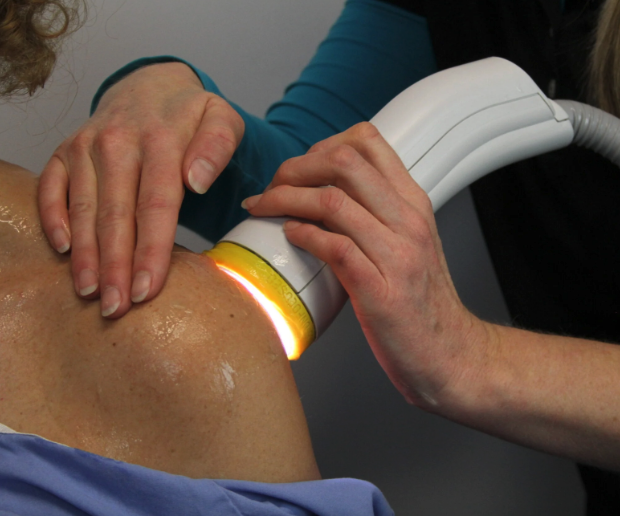
SoftWave Therapy is a non-invasive regenerative treatment that delivers electrohydraulic shock waves through a parabolic reflector to damaged tissue, triggering the body's natural repair cascade at the cellular level.
The mechanism matters here. When shock wave energy reaches injured tissue, it does three things simultaneously: it increases local blood flow to areas that have been starved of circulation, it reduces the chronic inflammation that's been locking the tissue in a damaged state, and it activates endogenous stem cells, meaning the stem cells already present in your body, to migrate to the site and begin rebuilding.
That last part is what separates SoftWave from surface-level treatments. You're not introducing anything foreign. You're waking up a repair process that stalled.
Practitioners using this approach report that patients often notice changes within 15 to 20 hours after a session, as the cellular response begins. The full tissue remodeling process takes longer, which is why peak results occur 8 to 12 weeks post-treatment. That timeline isn't a limitation. It's the biology working correctly.
If you're still managing pain with ice packs and ibuprofen and wondering why nothing's changing, the Discovery Day session at SoftWave Therapy East Cobb is a low-stakes way to find out whether your injury is the kind this technology was built for.
What Conditions Does SoftWave Therapy Treat?
SoftWave Therapy is used across a wide range of musculoskeletal conditions, including:
-
Plantar fasciitis and heel pain
-
Rotator cuff injuries and shoulder pain
-
Tennis elbow and golfer's elbow
-
Knee pain, including patellar tendinopathy
-
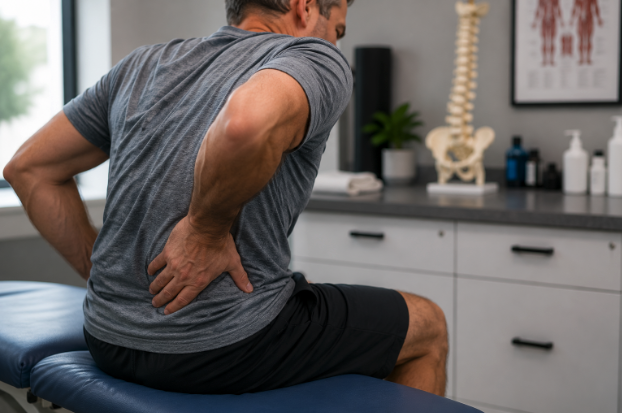
Lower back pain and lumbar disc issues
-
Hip pain and bursitis
-
Achilles tendinopathy
-
Neuropathy-related pain
-
Carpal tunnel pain
A common scenario: a runner dealing with chronic plantar fasciitis has tried orthotics, cortisone injections, and months of physical therapy. The pain improves briefly, then returns. What's happening is that the fascia tissue itself hasn't regenerated. The injections reduced inflammation temporarily, but the underlying tissue damage remained. SoftWave's shock wave energy reaches the fascia directly, stimulates blood flow to an area that's notoriously poorly vascularized, and activates the cellular repair process that the other treatments bypassed.
That's not a better version of what cortisone does. It's a different kind of intervention entirely.
How Does SoftWave Compare to Other Pain Treatments?
The critical distinction in this table isn't cost. It's mechanism. Treatments that don't activate a cellular repair response can only manage how you feel about the damage. They can't change the tissue itself.
Waiting on surgery or cycling through injections that wear off every few months isn't a conservative approach. It's a more expensive path to the same unresolved problem.
What Should You Realistically Expect from SoftWave Therapy?
Honest answer: results vary by condition, severity, and how long the injury has been present.
The clinical effectiveness rate for SoftWave across musculoskeletal conditions runs between 65 and 91 percent. That's a meaningful range, and it reflects real variation in patient presentation. Someone with a six-month-old Achilles injury will likely respond differently than someone managing a condition that's been present for five years with significant scar tissue buildup.
What the biofeedback scanning at SoftWave Therapy East Cobb does before treatment begins is identify whether your tissue is actually responding to the technology. This isn't a sales step. It's a clinical filter. If the scan suggests you're not a good candidate, that information is more valuable than a treatment that won't work.
Most patients who are good candidates notice some change within the first one to three sessions. The full repair process continues for weeks after the last session, which is why the 8 to 12 week window is when most people see their best results.
Sessions run 5 to 15 minutes. You don't need anesthesia. There's no recovery period. You can return to normal activity the same day.
Who Is SoftWave Therapy Not Right For?
Straight talk on fit matters here.
SoftWave Therapy isn't appropriate if you have active cancer in the treatment area, a blood clotting disorder, or are pregnant. It's not a replacement for emergency orthopedic care when structural damage requires immediate surgical intervention. And it won't produce results overnight. If you need same-day pain elimination before a competition tomorrow, this isn't that.
What it is: a treatment for people who are tired of managing symptoms and want to address the tissue-level problem that's been driving the pain. It works best when you're committed to the full treatment protocol and realistic about the 8 to 12 week timeline for peak results.
The $69 Discovery Day session at SoftWave Therapy East Cobb exists specifically so you can find out whether this is the right fit before committing to anything further. That's the right place to start.
Ready to find out whether your injury is a candidate? Book a Discovery Day session at SoftWave Therapy East Cobb and get a biofeedback scan before any treatment begins.
FAQ
How many SoftWave sessions will I actually need?
Most treatment protocols involve a series of sessions, with the specific number depending on the condition, how long it's been present, and how your tissue responds. Many patients see initial changes within the first few sessions, but the full regenerative process continues for 8 to 12 weeks after treatment. Your provider will give you a clearer picture after the initial biofeedback scan.
Does SoftWave Therapy hurt during the session?
Most patients describe the sensation as a mild tapping or pressure at the treatment site. Some areas, particularly those with significant inflammation or nerve involvement, may be more sensitive. Sessions run 5 to 15 minutes, and any discomfort typically resolves quickly. The treatment doesn't require anesthesia or numbing agents.
Why doesn't insurance cover SoftWave Therapy?
SoftWave Therapy is FDA-approved but classified as a regenerative treatment, and most insurance plans don't yet cover regenerative medicine modalities. HSA and FSA funds are accepted, which means you can use pre-tax dollars to pay for treatment. The Discovery Day session is $69, which is a low-cost way to determine whether the full protocol makes sense for your situation.
How is SoftWave different from the ultrasound therapy my physical therapist uses?
Traditional therapeutic ultrasound delivers low-intensity sound waves primarily to warm tissue and mildly increase circulation. SoftWave uses electrohydraulic acoustic shock wave technology delivered through a parabolic reflector, which produces a different type of energy at a different depth and intensity. The mechanism is distinct: SoftWave is designed to activate endogenous stem cells and trigger tissue regeneration, not just increase surface circulation.
Can SoftWave Therapy help if I've already had surgery on the area?
In many cases, yes. Post-surgical tissue can develop scar tissue and restricted blood flow that slows recovery or causes ongoing pain. SoftWave's shock wave energy can reach this tissue and stimulate the repair process. That said, the biofeedback scan at SoftWave Therapy East Cobb will assess whether your specific post-surgical presentation is a good candidate before any treatment is recommended.
What happens if I stop treatment before the 8 to 12 week mark?
The cellular repair process that SoftWave initiates continues after each session, but completing the recommended protocol gives your tissue the repeated stimulation it needs to fully remodel. Stopping early may mean you get partial results rather than the full benefit. Think of it the way you'd think about a course of antibiotics: the early improvement doesn't mean the job is done.
Is the $69 Discovery Day a sales pitch or an actual clinical assessment?
It's a clinical assessment that includes biofeedback scanning to evaluate whether your tissue responds to the technology. The scan identifies candidates who are likely to benefit from treatment. If the scan suggests you're not a strong candidate, you'll be told that directly. SoftWave Therapy East Cobb uses this step specifically because treating patients who won't respond wastes their time and money.
The body already knows how to heal. What SoftWave Therapy does is remove the obstacles that have been preventing it from doing exactly that. If you've been managing pain rather than resolving it, that distinction is worth understanding before you schedule your next cortisone injection.
Schedule your Discovery Day at SoftWave Therapy East Cobb. Bring your scan results, your questions, and your skepticism. The biofeedback will do the talking.
About the Author
SoftWave Therapy East Cobb is run by Dr. Paul Drilling, DC, a chiropractor who has practiced for 27 years in the Atlanta Area. Softwave East Cobb is located in the Marietta, Georgia area specializing in non-invasive acoustic shock wave therapy for musculoskeletal pain and injury. They work with athletes, active adults, and chronic pain patients to address the root causes of pain through FDA-cleared electrohydraulic technology, without injections, drugs, or surgery. Their approach combines biofeedback scanning with 46 patented technologies to deliver targeted tissue regeneration with sessions as short as 5 to 15 minutes. Softwave East Cobb is located within 12 minutes of Roswell and Sandy Springs, Georgia.
‹ Back
 1000 Johnson Ferry Road