
Blog
When Waiting Feels Like the Safe Choice: What a Chronic Pain Case Study Reveals About SoftWave Therapy
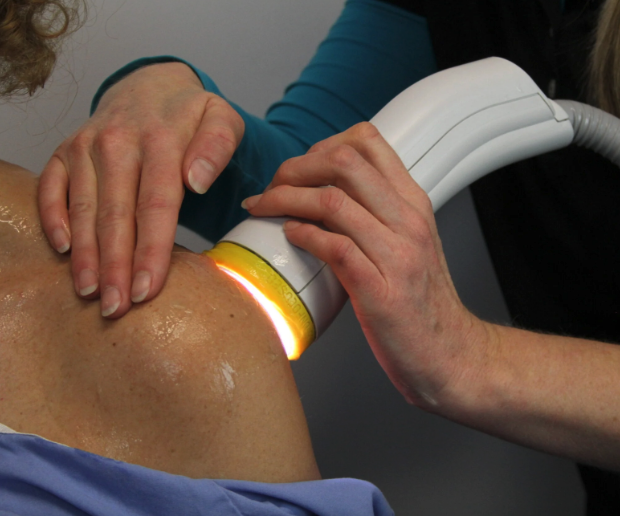
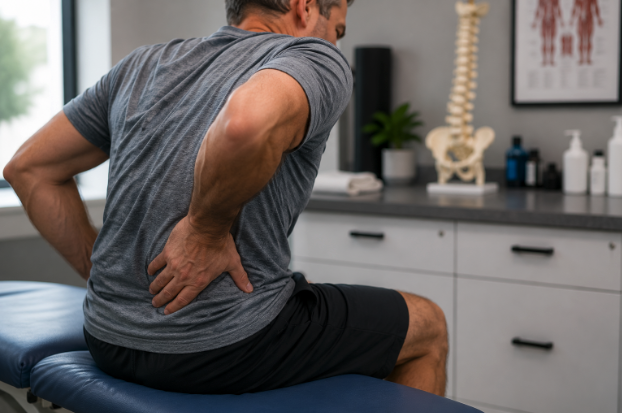
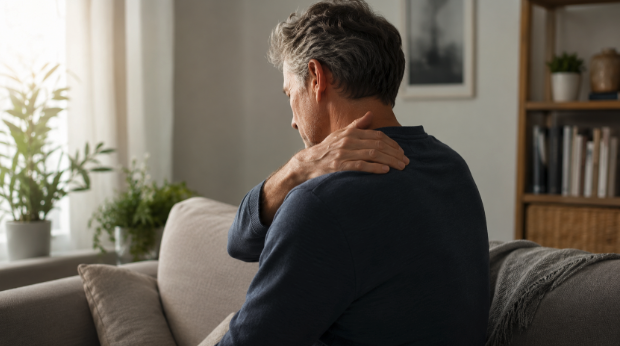
Chronic musculoskeletal pain doesn't announce itself as a crisis. It arrives as a nagging shoulder, a stiff lower back, a knee that stops you mid-stride, and then quietly reorganizes your entire life around it.
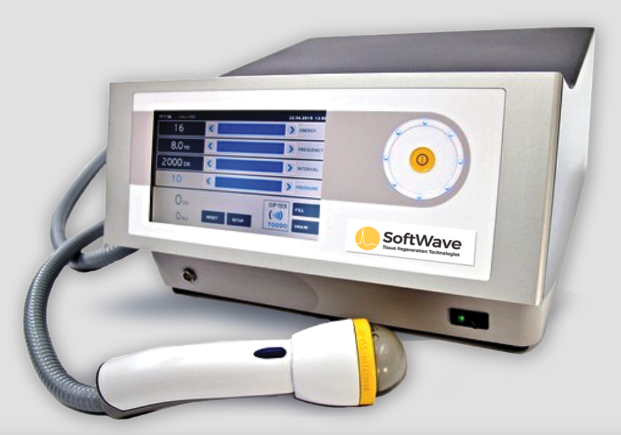
SoftWave Therapy is a non-invasive, FDA-cleared regenerative treatment that uses electrohydraulic acoustic shock wave technology to trigger the body's own repair mechanisms at the cellular level, including endogenous stem cell activation, increased blood flow, and reduced inflammation, without injections, drugs, or surgery. For most age groups dealing with acute or chronic musculoskeletal pain, it offers a biologically grounded path to healing that most traditional pain management approaches don't address.
Key Takeaways
-
SoftWave Therapy activates endogenous stem cells and improves blood flow at the injury site, targeting root cause tissue damage rather than masking pain signals
-
Sessions run 5-15 minutes, and many people notice reduced pain and swelling within 15-20 hours after their first treatment
-
Peak tissue regeneration results typically occur 8-12 weeks after treatment, meaning the healing continues long after you leave the clinic
-
SoftWave Therapy East Cobb uses biofeedback scanning to identify whether you're a strong candidate before committing to a full treatment plan
-
A Discovery Day session is available for $69, and HSA/FSA funds are accepted
What Does Chronic Musculoskeletal Pain Actually Do to Your Body Over Time?
Pain that persists beyond the initial injury phase isn't just uncomfortable. It's a signal that the tissue repair cycle has stalled.
When soft tissue is damaged, whether through a sports injury, repetitive strain, or degenerative wear, the body initiates an inflammatory response designed to start healing. That process is supposed to resolve. When it doesn't, the tissue remains in a low-grade inflammatory state, blood flow to the area becomes restricted, and the cellular machinery responsible for repair gets progressively less effective.
The result is a cycle where the body keeps signaling damage without completing the repair. Pain medications interrupt that signal. Injections suppress inflammation temporarily. Neither one restores the tissue.
This is the root cause problem that most people with chronic pain have never been told about clearly: the pain isn't the disease. It's the symptom of incomplete biological repair. Treating the symptom while leaving the repair cycle stalled is why so many people spend years cycling through treatments that provide temporary relief without lasting change.
Why Do So Many Pain Treatments Work Temporarily but Stop Short of Fixing the Problem?
Traditional pain management is built around interruption, not restoration.
Corticosteroid injections reduce inflammation, but research in orthopedic medicine has consistently shown that repeated injections can degrade collagen and connective tissue over time. NSAIDs block prostaglandins involved in the inflammatory cascade, which reduces pain, but that same cascade is part of the healing signal. Suppressing it repeatedly delays the repair process.
Physical therapy addresses movement patterns and muscle activation, and it's genuinely useful. But it can't directly stimulate cellular repair in damaged connective tissue, tendons, or cartilage that has lost blood supply.
The common thread: each of these approaches manages the experience of pain without addressing the tissue-level reason the pain keeps returning.
Waiting for the problem to resolve on its own is the most expensive move most people make. Not because of money, but because every month of delayed repair is a month of progressive tissue degradation, compensatory movement patterns, and narrowing treatment options.
How Does SoftWave Therapy Actually Work at the Cellular Level?
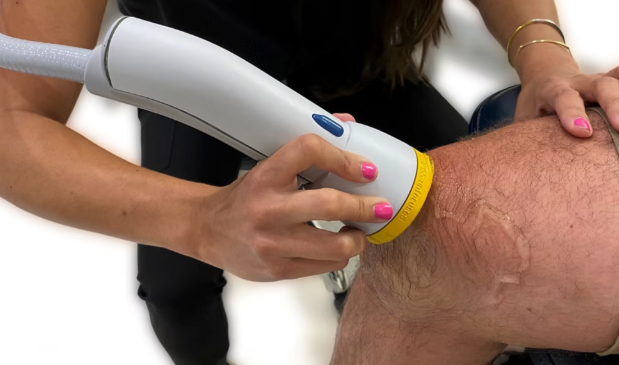
SoftWave Therapy uses an electrohydraulic parabolic reflector to generate unfocused shock waves that penetrate tissue at the treatment site. That's the mechanism, and it matters to understand it specifically.
The shock waves create controlled mechanical stress at the cellular level. That stress triggers a biological response: cells release growth factors, nitric oxide production increases (which dilates blood vessels and improves circulation), and the body recruits endogenous stem cells to the site. Endogenous stem cells are the body's own resident repair cells, not externally introduced. The therapy activates what's already there.
This is why the results continue building after the session ends. The treatment initiates a repair cascade. The 8-12 week peak result window isn't a marketing claim. It reflects the actual biology of tissue regeneration, which operates on weeks-long timelines, not hours.
Consider a typical case: someone with chronic plantar fasciitis who has tried orthotics, cortisone injections, and stretching protocols for two years without lasting relief. The fascia itself has poor blood supply, which is why it heals slowly and incompletely. SoftWave's shock waves directly address that vascular limitation by stimulating angiogenesis (new blood vessel formation) at the injury site. That's the mechanism traditional approaches can't replicate.
SoftWave Therapy East Cobb applies this technology with biofeedback scanning to map the precise treatment area before starting, which means the shock waves are directed where the tissue damage actually is, not where the pain feels loudest.
If you're at the point where you've tried the standard options and you're still dealing with the same pain, a Discovery Day at SoftWave Therapy East Cobb is the logical next step. At $69, it's a low-commitment way to find out whether you're a strong candidate before committing to anything further.
What Does a Realistic Treatment Outcome Actually Look Like?
The 65-91% effectiveness rate reported for SoftWave Therapy across musculoskeletal conditions reflects clinical trial data across the technology's 46 patented applications. That range exists because outcomes vary by condition severity, tissue type, and how long the injury has been present.
Here's what a realistic scenario looks like in practice.
Consider someone dealing with chronic rotator cuff tendinopathy. They've had the injury for 18 months, completed two rounds of physical therapy, and received one cortisone injection that provided six weeks of relief before the pain returned. They're not a surgical candidate yet, but they're being told surgery may be the next step.
At SoftWave Therapy East Cobb, the biofeedback scan identifies the specific area of tissue compromise. A series of sessions, each running 5-15 minutes, initiates the cellular repair process. Within 15-20 hours after the first session, they notice a reduction in baseline inflammation. Over the following 8-12 weeks, the tissue regeneration process continues. The rotator cuff tendons, which have limited natural blood supply, respond to the angiogenic stimulus the therapy created.
That's not a guarantee. It's a realistic description of what the biological process looks like when the treatment is appropriately matched to the condition.
How Does SoftWave Therapy Compare to the Alternatives?
The comparison that matters isn't SoftWave Therapy vs. a cheaper option. It's SoftWave Therapy vs. continuing a cycle of treatments that haven't resolved the underlying problem. The cost of that cycle, in time, in progressive tissue damage, and in narrowing options, is real.
Who Is SoftWave Therapy Not Right For?
Straight talk serves everyone better than overselling.
SoftWave Therapy is not appropriate as a standalone treatment for conditions requiring immediate surgical intervention, such as complete tendon ruptures or fractures requiring fixation. It's not a replacement for emergency care.
People with active infections at the treatment site, certain blood clotting disorders, or who are pregnant are not candidates. The biofeedback scanning and intake process at SoftWave Therapy East Cobb is specifically designed to identify these contraindications before treatment begins.
It also won't produce results overnight. If you need pain eliminated within 48 hours for a specific event, that's not what this therapy does. It initiates a biological process that takes weeks to reach full effect. That's not a flaw. It's the honest timeline of actual tissue repair.
The therapy works best when the problem is tissue-level damage that hasn't responded to symptom-management approaches. That describes a large percentage of people with chronic musculoskeletal pain.
The Healing Threshold Framework: Should You Pursue SoftWave Now or Wait?
The Healing Threshold Framework is a decision tool for evaluating whether your current pain situation warrants pursuing regenerative treatment now versus continuing to monitor.
Use it when three or more of the following apply:
-
Pain has persisted for more than 3 months despite standard treatment
-
You've completed at least one round of physical therapy without full resolution
-
Injections provided temporary relief but the pain returned
-
You're modifying activity or movement patterns to accommodate the pain
-
Your provider has mentioned surgery as a possible future step
If two or fewer apply, conservative management may still be appropriate. If three or more apply, the tissue repair cycle has likely stalled, and waiting is not neutral. It's active degradation.
The body doesn't pause while you decide. Every month of incomplete repair is a month of compensatory loading on surrounding structures.
FAQ
How many SoftWave Therapy sessions will I need before I see results?
Most people notice a reduction in pain and swelling within 15-20 hours after their first session. A typical treatment plan involves multiple sessions, and the most significant tissue regeneration results tend to occur 8-12 weeks after treatment begins, reflecting the actual timeline of biological repair rather than temporary symptom suppression.
Does SoftWave Therapy hurt during the session?
The treatment involves a sensation at the site, which most people describe as a mild pressure or tapping. It's not pain-free for everyone, but it's well-tolerated and sessions run only 5-15 minutes. The biofeedback scanning process at SoftWave Therapy East Cobb helps target the treatment precisely, which keeps the intensity appropriate to the tissue being treated.
Will my insurance cover SoftWave Therapy?
SoftWave Therapy is not covered by standard health insurance plans. HSA and FSA funds are accepted at SoftWave Therapy East Cobb, which means you can use pre-tax dollars to pay for treatment. The $69 Discovery Day offer makes it possible to evaluate candidacy without a large upfront commitment.
What conditions does SoftWave Therapy treat?
SoftWave Therapy is used for a wide range of musculoskeletal conditions including plantar fasciitis, rotator cuff injuries, Achilles tendinopathy, wrist pain, hand pain, knee pain, hip pain, lower back pain, and neuropathy, among others. The biofeedback scanning process at SoftWave Therapy East Cobb helps confirm whether your specific condition is a strong match for the technology before treatment begins.
Is SoftWave Therapy the same as ultrasound therapy?
No. Ultrasound therapy uses sound waves to generate heat in soft tissue, which can temporarily increase circulation and reduce muscle tension. SoftWave Therapy uses electrohydraulic shock waves at a different frequency and energy level that create mechanical stimulation at the cellular level, triggering stem cell recruitment, angiogenesis, and growth factor release. The biological mechanisms are fundamentally different.
How is SoftWave Therapy different from other shock wave devices?
SoftWave uses an electrohydraulic parabolic reflector to generate unfocused shock waves that cover a broader treatment area compared to focused or radial devices. This wider coverage is particularly relevant for conditions where the damage is distributed across a larger tissue zone rather than a single pinpoint location. The 46 patented technologies behind the device reflect the specificity of its engineering.
What should I expect at a Discovery Day session at SoftWave Therapy East Cobb?
The Discovery Day session includes biofeedback scanning to map your treatment area and identify whether you're a strong candidate for SoftWave Therapy. You'll receive an initial treatment and have the opportunity to ask questions about your specific condition and what a full treatment plan would look like. It's designed to give you real information before you commit to anything further.
If you've been managing pain rather than resolving it, and the standard options haven't gotten you where you want to be, the next step is finding out whether SoftWave Therapy is the right fit for your specific situation. Schedule your Discovery Day at SoftWave Therapy East Cobb for $69 and get a clear answer based on your actual tissue, not a general recommendation.
About the Author
SoftWave Therapy East Cobb is run by Dr. Paul Drilling, DC, a chiropractor who has practiced for 27 years in the Atlanta Area. Softwave East Cobb is located in the Marietta, Georgia area specializing in non-invasive acoustic shock wave therapy for musculoskeletal pain and injury. They work with athletes, active adults, and chronic pain patients to address the root causes of pain through FDA-cleared electrohydraulic technology, without injections, drugs, or surgery. Their approach combines biofeedback scanning with 46 patented technologies to deliver targeted tissue regeneration with sessions as short as 5 to 15 minutes. Softwave East Cobb is located within 12 minutes of Roswell and Sandy Springs, Georgia.
‹ Back

 1000 Johnson Ferry Road