
Blog
Frozen Shoulder: Restoring Motion Without Surgery or Injections
Frozen Shoulder: Restoring Motion Without Surgery or Injections
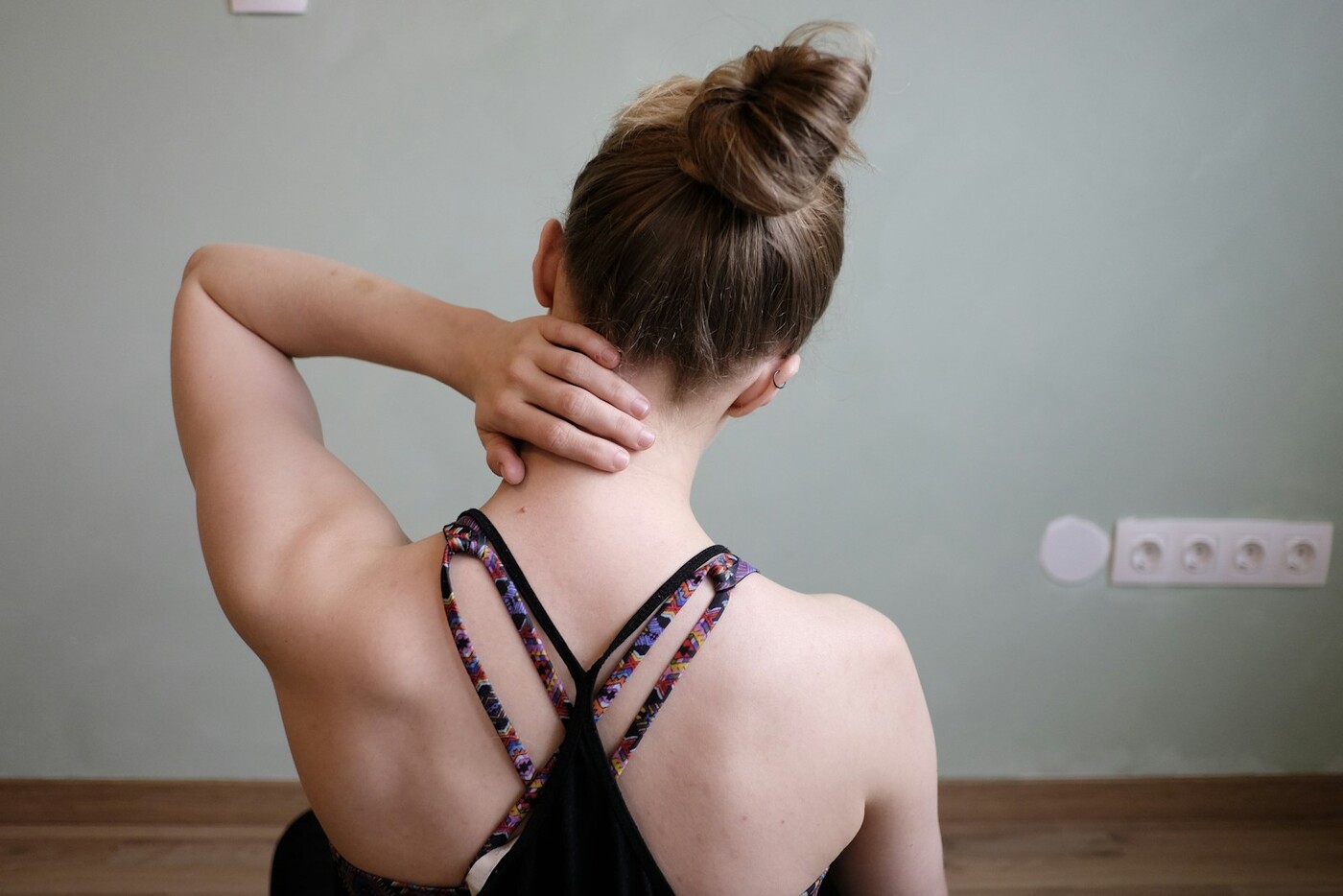
Almost every frozen shoulder patient in East Cobb describes the same moment. You reach behind you for the seat belt, and the arm simply stops. It is not that it hurts too much to continue. It is that the shoulder will not go further, as if something inside has run out of rope. That hard stop is the signature of adhesive capsulitis, and it separates this condition from nearly everything else that makes a shoulder hurt.
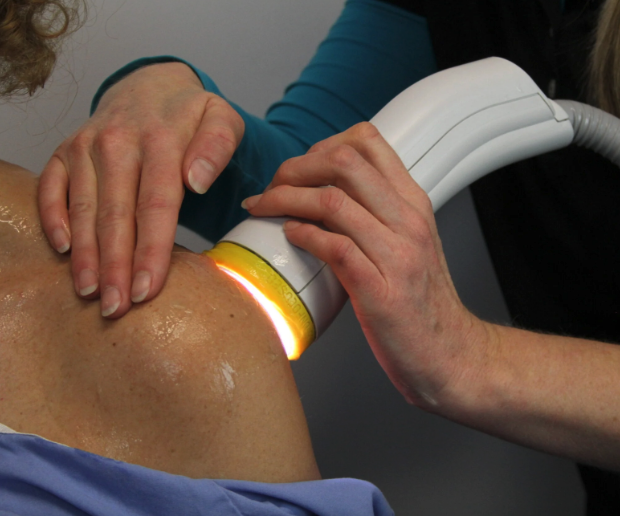
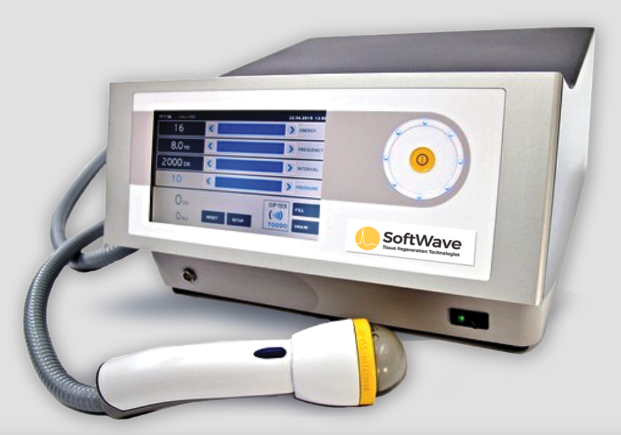
At SoftWave East Cobb, Dr. Paul Drilling, DC, works with Marietta and Cobb County patients who are somewhere in the long arc of a frozen shoulder and want options that do not begin with a needle or an operating room. SoftWave Tissue Regeneration Technology (TRT) is a non-invasive therapy that uses electrohydraulic, spark-generated broad-focused acoustic waves, delivered through a patented parabolic reflector, to reach tissue at depth and stimulate the body's own repair signaling. Paired with consistent mobility work, it offers a way to address both the pain and the stiffness.
What Adhesive Capsulitis Actually Is (And What It Is Not)
Your shoulder joint is wrapped in a sleeve of connective tissue called the joint capsule. In a healthy shoulder it is loose, with folds that unfurl as your arm travels overhead and behind you. In adhesive capsulitis it becomes inflamed, thickens, and then contracts. Bands of fibrous tissue lay down, the roomy sleeve turns into a shrink-wrapped one, and the arm can no longer complete its arc.
This is a different problem from the two shoulder conditions people confuse it with:
- Rotator cuff injury is a problem of the tendons and muscles that move and stabilize the arm. A torn or irritated cuff causes weakness and painful arcs, but if someone else lifts your arm, it generally goes up.
- Shoulder impingement is a problem of clearance, where soft tissue gets pinched under the bony arch. It hurts in a specific range and eases outside of it.
- Adhesive capsulitis is a problem of the capsule itself. The defining test is passive motion: even when the arm is fully relaxed and someone else moves it, the shoulder will not go. Loss of external rotation, turning the forearm outward with the elbow at your side, is often the earliest restriction.
That distinction matters because the treatment logic differs. Strengthening a rotator cuff will not lengthen a contracted capsule, and pushing hard through an angry capsule at the wrong stage makes things worse.
The Three Stages, and Why This Takes So Long
Stage one: freezing, or the painful phase
Pain dominates, often worse at night and severe enough to make sleeping on that side impossible. Motion is shrinking, but many people blame guarding rather than a real block. This phase commonly runs several months.
Stage two: frozen, or the stiff phase
The sharp pain often settles somewhat, which feels like progress, but the stiffness is at its worst. This is when patients realize they cannot wash their hair or put on a jacket without a whole-body workaround. This phase also lasts months.
Stage three: thawing
Motion gradually returns as the capsule remodels. It is slow and rarely a straight line. Some people recover nearly full range; others keep a residual restriction for years.
Added together, the natural course frequently spans a year or more. That timeline is the most demoralizing fact about this condition, and it is why waiting it out is harder than it sounds.
Who Tends to Develop It
Frozen shoulder often arrives without an obvious cause, but several associations are well recognized. Diabetes is the strongest, and people with diabetes tend to have more stubborn cases and a higher chance of involving both shoulders. Thyroid conditions, underactive and overactive, are also linked, as are cardiovascular and certain neurologic conditions.
The other major trigger is immobilization. A period where the arm was not moving, after a fracture, a fall, rotator cuff surgery, breast surgery, or a long stretch in a sling, is a classic setup. That is why the advice after any upper-body injury or procedure is to keep whatever motion you are cleared to have.
Why Losing Motion Is the Real Problem
Pain gets the attention, but the disability comes from the motion. A shoulder that cannot reach overhead or behind the back changes how you dress, drive, sleep, and work. Worse, the body compensates. The shoulder blade takes on jobs it was not designed for, the neck and upper back absorb load, and the opposite arm gets overused. That is how a one-joint problem spreads.
The goal is to protect and reclaim range at every stage, using gentle, frequent, tolerable movement rather than aggressive stretching that flares the capsule. Pendulum swings, table slides, wall walks, and assisted external rotation with a towel are the standard toolkit. Little and often beats hard and rare.
If your shoulder has been stiffening for months and you are being told to simply wait it out, a conversation about your options is worth having. Schedule a visit with SoftWave East Cobb and let Dr. Drilling assess what stage you are in and what is realistic.
How SoftWave Fits Into a Frozen Shoulder Plan
SoftWave is not a substitute for mobility work. It is what can make that work more productive by addressing the tissue you are trying to move. Because the waves are broad-focused rather than pinpointed at one spot, they deliver energy across a wide zone of the joint, reaching the capsule, the surrounding soft tissue, and the muscles that have tightened around it.
In plain language, here is what research describes these waves doing:
- Activating and recruiting the body's own resident stem cells to the treated area
- Prompting new blood vessel formation through signaling molecules such as VEGF and eNOS, improving circulation to poorly supplied tissue
- Supporting cell proliferation and collagen activity through pathways including PCNA and BMP, which matters when remodeling fibrous, contracted tissue
- Modulating the inflammatory environment rather than simply suppressing it
- Helping clear senescent, non-productive cells that clutter a stalled repair process
These are researched mechanisms, not promised outcomes, and no honest provider will tell you a frozen shoulder can be switched off. What many patients report is that treatment makes the shoulder more workable: less night pain, less guarding, and stretch sessions that gain ground instead of just hurting.
SoftWave is FDA cleared for activation of connective tissue, temporary increase in blood flow, and temporary relief of minor muscle and joint pain. There are no needles, drugs, incisions, or downtime. Sessions run ten to fifteen minutes, a series spreads over roughly six to eight weeks, and the tissue response continues for weeks to months afterward.
What a Visit Looks Like
The first step is an evaluation to confirm that a capsular restriction, and not a cuff tear or an impingement pattern, is driving your symptoms. That means checking active and passive range, especially external rotation, and reviewing your history. If imaging or a medical workup is warranted, we will say so. This is care that works alongside your physician, not a substitute for medical advice.
From there, a plan combines a series of SoftWave sessions with a home mobility routine calibrated to your stage. Most people feel a well tolerated tapping sensation, then drive home and keep moving.
Ready to Take the Next Step?
Frozen shoulder does not have to mean a year of waiting, sleepless nights, and an arm you cannot use. If motion is slipping away, addressing the capsule sooner gives you a better runway than starting after the stiffness sets in.
Request your SoftWave Therapy Discovery Day online today
Contact SoftWave East Cobb
SoftWave East Cobb
1000 Johnson Ferry Road, Suite D-100
Marietta, GA 30068
Phone: (404) 775-3988
Office Hours: Monday and Tuesday 9:00am to 2:00pm, Thursday 12:00pm to 6:30pm
‹ Back

 1000 Johnson Ferry Road