
Blog
Are You a Candidate for SoftWave Therapy? Who It Helps, and Who It Does Not

Wondering If SoftWave Therapy Is Right for You? Here Is an Honest Look
Most people in East Cobb who start researching shockwave therapy are not looking for a sales pitch. They want a straight answer to one question: will this actually help my problem, or is it another thing that works for everybody except me? After months or years of a stubborn shoulder or heel pain that greets you every morning, healthy skepticism is earned.
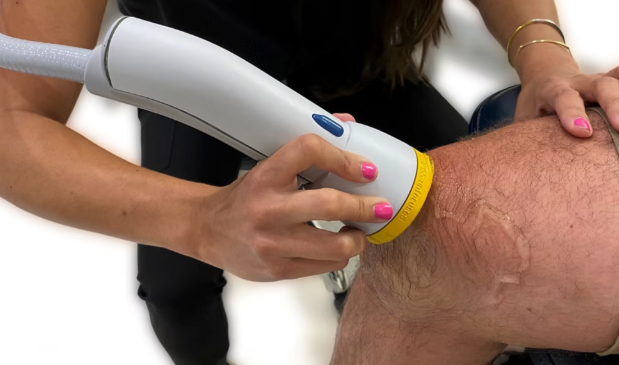
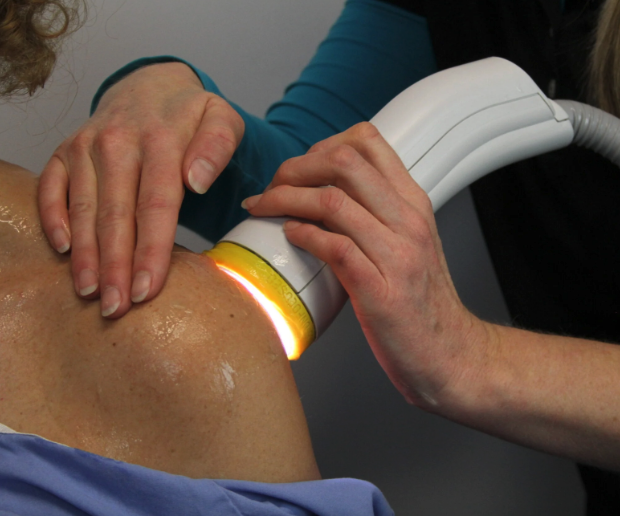
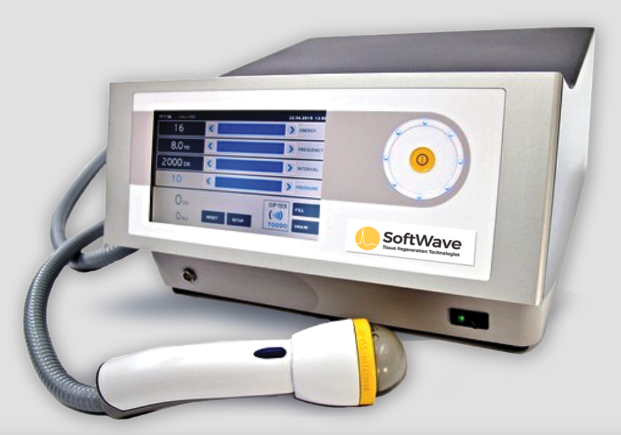
At SoftWave East Cobb, Dr. Paul Drilling, DC, works with patients across Marietta and Cobb County who are deciding whether SoftWave Tissue Regeneration Technology (TRT) belongs in their plan. SoftWave TRT is a non-invasive therapy that uses electrohydraulic, spark-generated broad-focused acoustic waves, delivered through a patented parabolic reflector, to reach tissue at depth and stimulate the body's own repair signaling. It is not right for every person or every condition, and this article is meant to say so plainly.
The Kinds of Problems That Tend to Respond
SoftWave is used primarily for musculoskeletal and soft-tissue complaints. The people who tend to be reasonable candidates share a pattern: tissue that has been irritated, overloaded, or partially damaged, and that never fully finished healing.
Chronic tendon and soft-tissue irritation
Long-running tendon problems are among the most common reasons patients ask about shockwave. Think plantar fascia pain, Achilles complaints, tennis and golfer's elbow, rotator cuff irritation, patellar tendon pain, and hip or gluteal tendon issues. These tissues have relatively modest blood supply, which is part of why they can linger so long.
Joint pain, everyday wear, and old injuries
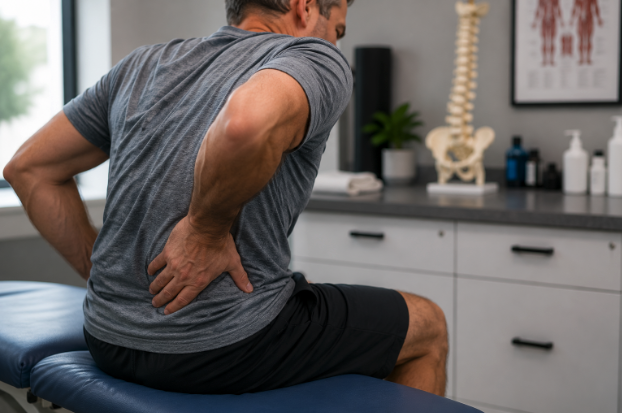
Knees, shoulders, hips, and lower backs that ache with activity, stiffen after sitting, or bark on stairs are frequent reasons people come in. So are old injuries that never quite resolved, like the ankle you rolled years ago. SoftWave is FDA cleared for temporary relief of minor muscle and joint pain and for temporary increase in blood flow, and many patients report meaningful changes in how a joint feels during ordinary daily movement.
People trying to avoid the next escalation
Many of our East Cobb patients are at a fork in the road. They have tried rest, stretching, over-the-counter medication, maybe physical therapy or an injection, and the next suggestion on the list is a bigger one. Wanting a non-invasive option before committing to that step is a perfectly reasonable reason to be evaluated.
Why Chronic, Non-Healing Tissue Is a Sensible Target
Acute injuries usually heal on their own because the body floods the area with blood flow, growth signals, and repair cells. Chronic problems are different. The initial inflammatory alarm quiets down, circulation drops, and the tissue settles into a stalled state: not actively healing, not fully repaired, just persistently uncomfortable. Painkillers can mute the signal from that tissue, but they do not change its condition.
SoftWave is designed to address that stall. Instead of masking the sensation, the acoustic waves deliver mechanical energy into the tissue, and cells respond to that stimulus with biological activity. That is why chronic, under-perfused tissue is a logical candidate: there is a healing process to restart, rather than one already running well.
How SoftWave Works, in Plain Language
SoftWave is the only broad-focused shockwave technology, and energy delivery differs by device type. According to the manufacturer, radial devices disperse energy superficially and unevenly, electromagnetic devices lose energy quickly and lack depth, and piezoelectric devices concentrate energy at a single point, limiting the treatable area. Broad-focused waves are intended to cover a meaningful zone while still reaching depth.
Researched mechanisms associated with this kind of acoustic wave therapy include:
- Resident stem cell activation and migration, recruiting the body's own repair cells toward the treated area.
- Angiogenesis, the formation of new blood vessels, supported by signaling molecules such as VEGF and eNOS.
- Cell proliferation and collagen activity, associated with PCNA and BMP.
- Modulation of inflammation and toll-like receptor regulation, part of how tissue coordinates repair.
- Clearance of senescent cells, the worn-out cells that can clutter aging tissue.
These are mechanisms described in research, not promises about any individual result. Nobody can guarantee an outcome, and you should be cautious about anyone who does.
Who Is Not a Good Candidate, or Needs Clearance First
This part often gets skipped, and it should not be. Some situations mean SoftWave is not appropriate, and others simply mean your physician has to weigh in first. None of the following is a ruling on your case. It is a list of things to raise openly at your evaluation.
- Pregnancy. Shockwave therapy is generally not performed during pregnancy. Let us know at the outset.
- Active malignancy in or near the treatment area. Because the therapy is meant to stimulate cellular activity and blood vessel formation, treating over a known active tumor site is avoided. Discuss any cancer history with your oncologist.
- Blood clotting disorders or anticoagulant medication. A bleeding or clotting condition, or blood thinners, needs review with your prescribing physician first.
- Active infection at the treatment site. An infection should be resolved before considering therapy in that area.
- Pacemakers, defibrillators, pumps, or hardware near the site. Implanted devices near the intended treatment zone require clearance from the managing physician.
- Unhealed or acute fractures. A fresh or unstable fracture is managed by your treating physician, not by shockwave at that site.
- Growth plates in children and adolescents. Treatment near open growth plates calls for extra caution and pediatric input.
There is also a simpler category of poor fit: pain that is not coming from the tissue you think it is. Nerve compression from the spine, systemic inflammatory disease, vascular problems, or an issue that needs imaging can all masquerade as a local musculoskeletal complaint. If the evaluation points elsewhere, the honest answer is to say so.
The Discovery Day Evaluation: How You Actually Find Out
Reading about candidacy online can only take you so far. The Discovery Day exists so you get a real answer about your body rather than a general one. Dr. Drilling reviews your history, medications, prior imaging, and previous treatments, examines the area, and talks through anything on the list above.
Many patients also experience a sample application so they know what treatment feels like. Sessions are brief, roughly ten to fifteen minutes, with no needles, drugs, surgery, or downtime. A typical plan runs as a series over about six to eight weeks, and the biological response is thought to continue for weeks to months afterward.
The point of the visit is a clear recommendation: you look like a good candidate, you need clearance from your physician first, or this is not the right tool for your problem. All three are legitimate answers, and you deserve to hear whichever applies.
A Note on Expectations
SoftWave has been studied at leading institutions and is used by clinicians who work with professional and collegiate athletes. It is still not magic. Results vary, some conditions respond better than others, and severely degenerated tissue may have limited capacity to remodel. SoftWave does not replace medical advice or care from your physician. Think of it as one non-invasive option among several.
Ready to Take the Next Step?
The only reliable way to learn whether you are a candidate is an in-person evaluation with a provider who will tell you honestly either way. If you are in East Cobb or anywhere in Cobb County and you are tired of guessing, a Discovery Day visit is a straightforward place to get that answer.
Request your SoftWave Therapy Discovery Day online today
Contact SoftWave East Cobb
SoftWave East Cobb
1000 Johnson Ferry Road, Suite D-100
Marietta, GA 30068
Phone: (404) 775-3988
Office Hours: Monday and Tuesday 9:00am to 2:00pm, Thursday 12:00pm to 6:30pm
‹ Back

 1000 Johnson Ferry Road